
 English
 Español
 العربية
 ไทย
ไทย
Residential cable tray
Residential cable tray systems are designed to organize, support, and protect electrical and low‑voltage wiring within homes and small residential buildings. Unlike commercial or industrial installations, residential environments typically have lighter loads, lower voltages, and more emphasis on aesthetics and space efficiency. A residential cable tray solution must therefore be compact, easy to install, and compatible with common building materials and construction methods.The main function of a residential cable tray is to provide a clear and secure path for cables to run between distribution panels, junction boxes, devices, and equipment. By elevating cables off structural surfaces, the tray reduces mechanical stress, prevents damage from sharp edges or fasteners, and allows better heat dissipation. This improves reliability and can extend the service life of electrical and communication wiring. It also simplifies future upgrades or maintenance, since cables are visible and accessible rather than hidden behind finished surfaces.Typical residential cable trays are made from lightweight materials such as perforated steel, aluminum, or durable plastics. Metal trays offer excellent mechanical strength and are suitable where fire resistance and grounding are important. Plastic or composite trays are often used where corrosion resistance, electrical insulation, or ease of cutting and shaping are priorities. In many homes, a combination of materials may be used, depending on the location and the type of cable being supported.Tray configurations vary according to the layout of the dwelling. Ladder‑type and perforated trays are common where multiple circuits or mixed‑use cabling (power, data, and control) must be routed along corridors, basements, or utility spaces. Wire mesh trays are popular for low‑voltage and data cabling, particularly in smart homes with extensive networking, audio‑visual, and security systems. These open designs allow easy entry and exit points for cables and support good ventilation.Proper planning is essential for an effective residential cable tray installation. Designers must consider load capacity, cable fill ratios, minimum bending radii, and separation between different systems. Power cables, communication lines, and sensitive control wiring should be segregated or shielded to reduce electromagnetic interference. Fire safety is another crucial factor: trays may need to be installed with fire‑stopping measures where they penetrate walls or floors, and non‑combustible or fire‑resistant materials are often preferred in escape routes and critical areas.Installation details can significantly affect performance and appearance. Trays are typically mounted on walls, ceilings, or under raised floors using brackets and supports spaced according to the manufacturer’s recommendations. In residential spaces that are occupied or visible, cable trays are often routed through service rooms, attics, or concealed ceiling voids to maintain a clean architectural look. However, even in hidden spaces, neat routing, labeling, and proper fastening of cables remain important for safety and troubleshooting.As homes adopt more complex electrical and digital systems, residential cable trays provide a scalable, organized framework. They make it easier to add circuits for electric vehicle chargers, photovoltaic systems, home automation, and high‑speed data networks. By integrating cable tray planning early in the design or renovation process, homeowners and installers can create a flexible infrastructure that supports current needs while accommodating future technologies with minimal disruption.
제품
-
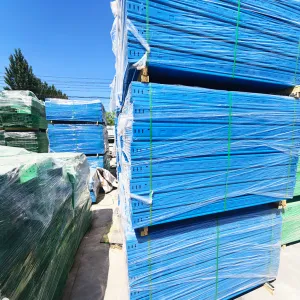
Customized molded energy-saving cable tray
분류: Molded energy-saving cable tray조회수: 173번호:릴리스 시간: 2026-06-06 19:09:57Our factory specializes in providing customized services for molded energy-saving cable trays. We adopt a new type of integrated molding process, which is different from traditional bending and welding cable trays, and belongs to a lightweight and energy-saving wiring supporting product. Relying on advanced specialized molding equipment, personalized non-standard customization can be carried out according to different construction site conditions, line layout requirements, and site installation limitations, perfectly adapting to various new energy-saving renovations, intelligent upgrades, and... -
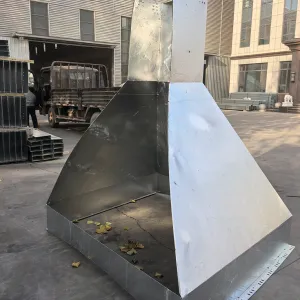
Customized irregular cable tray
분류: Vertical shaft cable tray조회수: 152번호:릴리스 시간: 2026-06-07 16:50:01Our factory mainly engages in wholesale business of vertical shaft cable trays, focusing on the supply of vertical shaft wiring support for high-rise buildings, commercial complexes, industrial plants, and office building electromechanical engineering. We are a professional wholesale manufacturer of vertical shaft dedicated cable trays. Abandoning the tiered pricing model of intermediaries, we have our own standardized production line and focus on mass production and supporting supply of vertical shaft bridge frames. With sufficient stock reserves and fast shipping speed, we can fully meet the... -
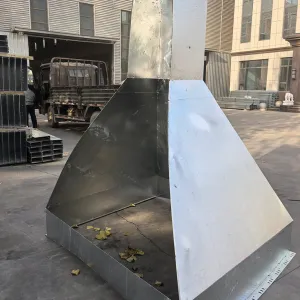
Recommendation for non-standard customized cable trays
분류: Non standard customized cable tray조회수: 168번호:릴리스 시간: 2026-06-07 18:15:34In various types of irregular buildings, old renovations, complex pipelines, and special working conditions of electromechanical engineering, standard finished cable trays often have adaptation shortcomings. Exclusive non-standard customized cable trays have become the preferred solution for high-quality construction and one-time standard acceptance at present. Based on different engineering scenarios, environmental conditions, and construction difficulties, targeted customized solutions are recommended to help projects avoid common problems such as selection errors, on-site restructuring and...
뉴스
범주:
-
[industry news]The manufacturer explained the function of the cable tray
2026-06-05 16:23:46
케이스
범주:

비디오
범주:
검색 결과가 없습니다!
다운로드
범주:
검색 결과가 없습니다!
모집
범주:
검색 결과가 없습니다!
추천 제품
검색 결과가 없습니다!



 핸드폰
핸드폰